

Cezzi's
© 2026 Cezzis.com | All rights reserved.
© 2026 Cezzis.com | All rights reserved.
A rum-based tropical cocktail that combines white rum, Galliano, orange curacao, and lime juice.
Servings
1
The Yellow Bird looks cheerful on paper, but it is more structured than its name suggests. Beneath the tropical styling is a compact sour-like build in which rum, citrus, herbal liqueur, and orange liqueur each have a defined role.
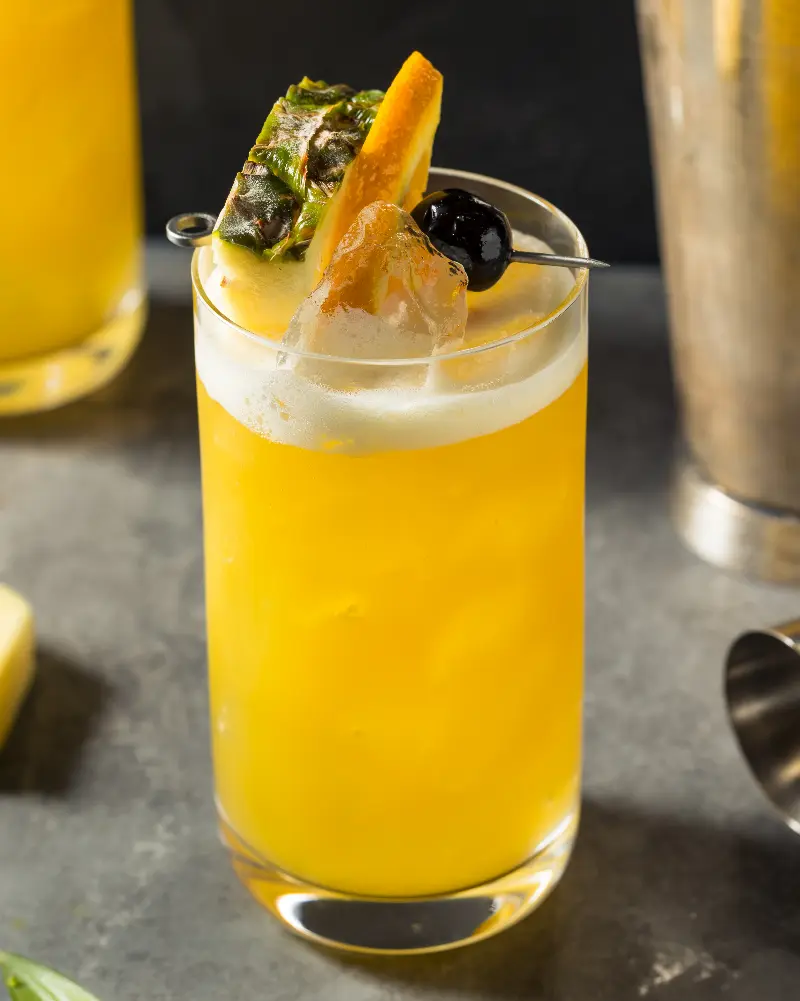
The Yellow Bird is generally associated with Caribbean and postwar tropical drinking culture, though its exact origin story is not perfectly settled. Like many drinks from that orbit, it appears in multiple printed forms and bar traditions, which suggests a gradual spread rather than a single uncontested point of invention.
That uncertainty is common in tropical cocktail history. Recipes traveled through hotels, resorts, bar manuals, and tourist culture, often changing slightly as they moved.
White rum gives the drink a light frame. Orange curacao provides sweet citrus depth, Galliano contributes a distinctive herbal-vanilla profile, and lime juice keeps the whole thing from turning soft or sticky. The balance matters, because any one of those ingredients can dominate if the proportions drift.
When it works, the Yellow Bird is bright without becoming thin and tropical without collapsing into juice-driven sweetness.
The drink survives because it sits at an appealing midpoint. It is more elegant than many poolside tropical drinks, but less stern than a classic spirit-forward sour. It also shows how mid-century tropical cocktails could be tightly built rather than merely decorative.
Best when you want something citrusy and vacation-coded that still reads like a real cocktail rather than a fruit punch. 🐦🍋
Nutritional and allergen information are estimates and for educational purposes only. Ingredient formulations change frequently across different commercial brands. A generic ingredient name (e.g., "coffee liqueur") may contain hidden allergens, dairy, or animal products depending on the specific brand you purchase.
Always review the manufacturer packaging and actual ingredients you use before consuming, especially if you have severe food allergies or dietary restrictions. Use this website at your own risk.
Discover other related cocktails you might also enjoy, with similar ingredients, style, or spirit.
Explore the curated collections this cocktail belongs to, grouped by spirit, season, holiday, and occasion.

Browse light spring cocktails with citrus, herbs, floral notes, and fresh seasonal flavors.

Discover refreshing summer cocktails for hot days, outdoor parties, and easy weekend sipping.

Explore Memorial Day cocktails for cookouts, long weekends, and the start of summer entertaining.

Find rum cocktails from tropical favorites to richer spiced and dark rum drinks.

Explore classic cocktails like old fashioneds, sours, martinis, and other timeless favorites.
Discover other related cocktails you might also enjoy, with similar ingredients, style, or spirit.
Explore the curated collections this cocktail belongs to, grouped by spirit, season, holiday, and occasion.
Browse light spring cocktails with citrus, herbs, floral notes, and fresh seasonal flavors.
Discover refreshing summer cocktails for hot days, outdoor parties, and easy weekend sipping.
Explore Memorial Day cocktails for cookouts, long weekends, and the start of summer entertaining.
Find rum cocktails from tropical favorites to richer spiced and dark rum drinks.
Explore classic cocktails like old fashioneds, sours, martinis, and other timeless favorites.


