

Cezzi's
© 2026 Cezzis.com | All rights reserved.
© 2026 Cezzis.com | All rights reserved.
A creamy vodka drink of coffee liqueur and cream, best known as the Black Russian's richer offshoot.
Servings
1
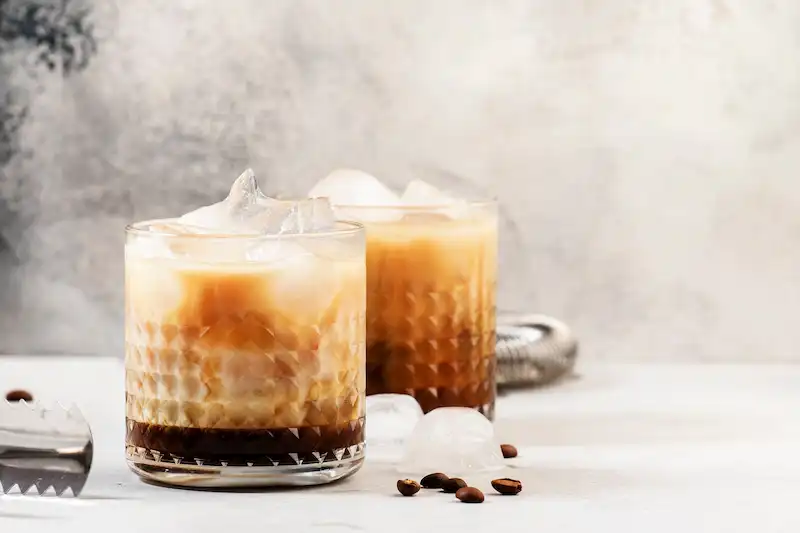
The White Russian is the Black Russian with cream added, turning a stark vodka-and-coffee-liqueur drink into a richer after-dinner serve. Its fame now owes as much to pop culture as to bartending history, but the build itself remains simple.
The White Russian was created in the 1960s, but it truly came into its own during the 1990s when it became a cultural touchstone. The cocktail's name refers to its color—white—and its Russian heritage through vodka. The drink was developed as a variation of the Black Russian, with the addition of cream creating a more approachable and indulgent cocktail.
The White Russian's rise to cultural prominence was dramatically accelerated by its frequent appearance in the cult film "The Big Lebowski" (1998). The film's protagonist, "The Dude," regularly ordered White Russians, making the drink a symbol of laid-back, countercultural cool. This association helped establish the White Russian as a drink for those who appreciated irony and nonconformity.
What made the White Russian particularly appealing was its accessibility and indulgent nature. The combination of vodka, coffee liqueur, and cream created a drink that was both sophisticated and approachable, making it a favorite among both casual drinkers and cocktail enthusiasts. The drink's creamy texture and sweet flavor profile made it perfect for dessert or after-dinner enjoyment.
The White Russian arrived during the peak of vodka's dominance in the American spirits market. The drink's success helped solidify vodka's position as the spirit of choice for a new generation of drinkers, while also demonstrating that vodka-based cocktails could be sophisticated and indulgent rather than simple and bland.
Since its creation, the White Russian has gained popularity worldwide, appearing on menus from dive bars to upscale cocktail establishments. Its appeal transcends cultural boundaries, making it a favorite among both professional bartenders and home enthusiasts. The cocktail's success has helped establish cream-based cocktails as a legitimate category.
The White Russian's enduring popularity lies in its perfect balance of simplicity and indulgence. The drink requires only three ingredients and simple preparation techniques, making it accessible to both professional bartenders and home enthusiasts. This accessibility, combined with its rich, creamy flavor profile, has made it a perennial favorite.
Despite the passage of time and changing cocktail trends, the White Russian remains a beloved classic. Its influence can be seen in countless modern cocktails that incorporate cream and coffee liqueurs, and its success helped establish the concept of dessert cocktails as a legitimate category in modern mixology.
The White Russian represents more than just a cocktail—it's a cultural artifact that captures the spirit of the 1990s. From its association with countercultural cool to its role in popularizing cream-based cocktails, the White Russian stands as a testament to how a well-crafted drink can become a symbol of an entire era.
Best after dinner, where its depth lands best in the final round. ☕🥛
Nutritional and allergen information are estimates and for educational purposes only. Ingredient formulations change frequently across different commercial brands. A generic ingredient name (e.g., "coffee liqueur") may contain hidden allergens, dairy, or animal products depending on the specific brand you purchase.
Always review the manufacturer packaging and actual ingredients you use before consuming, especially if you have severe food allergies or dietary restrictions. Use this website at your own risk.
Discover other related cocktails you might also enjoy, with similar ingredients, style, or spirit.
Explore the curated collections this cocktail belongs to, grouped by spirit, season, holiday, and occasion.

Find cozy fall cocktails with apple, pear, cinnamon, maple, and richer seasonal flavors.

Explore winter cocktails with rich flavors, warming spices, and festive cold-weather appeal.

Find Labor Day cocktails for long-weekend gatherings, late-summer patios, and easy party drinks.
Explore Thanksgiving cocktails that pair well with holiday dinners and warm fall flavors.

Find Christmas cocktails for holiday parties, family dinners, and festive seasonal sipping.

Explore vodka cocktails that are clean, crisp, easy to mix, and highly versatile.

Find simple cocktails with minimal ingredients, quick prep, and easy at-home mixing.

Find after-dinner cocktails with rich flavors, dessert-friendly profiles, and digestif-style appeal.
Discover other related cocktails you might also enjoy, with similar ingredients, style, or spirit.
Explore the curated collections this cocktail belongs to, grouped by spirit, season, holiday, and occasion.
Find cozy fall cocktails with apple, pear, cinnamon, maple, and richer seasonal flavors.
Explore winter cocktails with rich flavors, warming spices, and festive cold-weather appeal.
Find Labor Day cocktails for long-weekend gatherings, late-summer patios, and easy party drinks.
Explore Thanksgiving cocktails that pair well with holiday dinners and warm fall flavors.
Find Christmas cocktails for holiday parties, family dinners, and festive seasonal sipping.
Explore vodka cocktails that are clean, crisp, easy to mix, and highly versatile.
Find simple cocktails with minimal ingredients, quick prep, and easy at-home mixing.
Find after-dinner cocktails with rich flavors, dessert-friendly profiles, and digestif-style appeal.


