

Cezzi's
© 2026 Cezzis.com | All rights reserved.
© 2026 Cezzis.com | All rights reserved.
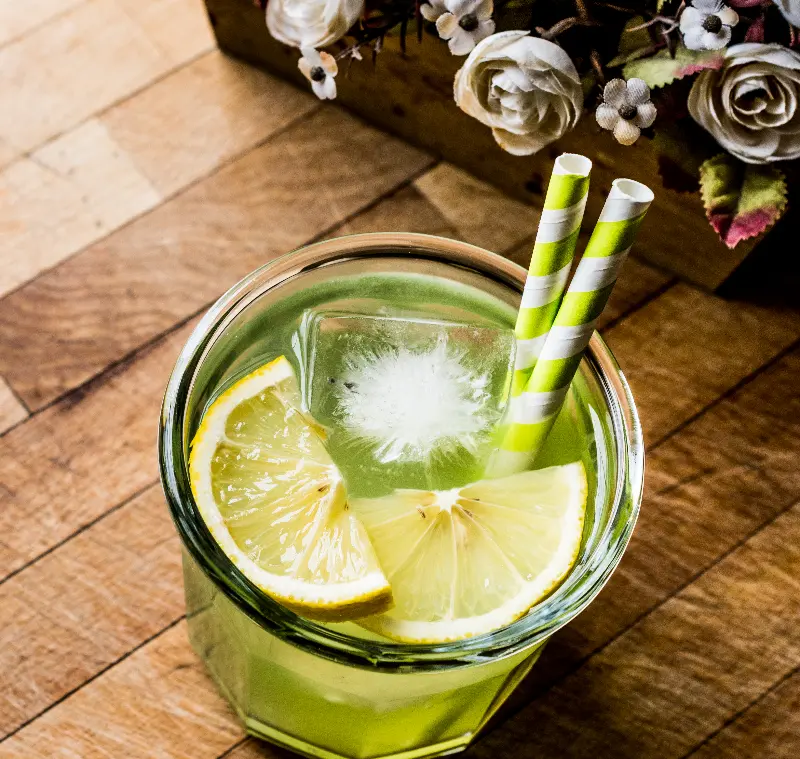
A melon-forward sour that tempers Midori's sweetness with lemon, vodka, and egg white for a greener, more structured profile.
Servings
1
The Midori Sour is one of the most recognizable drinks from the bright, flavor-driven cocktail culture of the late 20th century. Its color made it famous, but its staying power comes from something more basic: the combination of fruit liqueur and citrus is still sound when handled with care.
Midori itself entered international cocktail culture in the late 1970s, and the Midori Sour became one of the drinks most associated with the liqueur's rise. By the 1980s and 1990s, it had become a common sight on menus that leaned colorful, sweet, and highly approachable.
That history still shapes how the drink is remembered. For many people, it represents the era of bold colors and immediately legible flavors.
The challenge with a Midori Sour is balance. Midori brings clear melon sweetness and an unmistakable aroma, but that same sweetness can make the drink feel simple or overly soft if the citrus is weak. Lemon is what gives the cocktail its frame.
A more modern build can also borrow technique from better-known sours by using a supporting spirit and egg white for shape and texture. That does not make the drink less nostalgic. It just makes it more coherent.
The Midori Sour survives because it is easy to understand and easy to enjoy. Its color is part of the attraction, but not the whole point. The better versions are brisk, lively, and cleaner than many people expect.
It also serves a useful role on a menu. Not every cocktail needs to be austere or spirit-heavy. Some should be bright, expressive, and a little bit fun.
Best for retro-inspired menus, playful service, and warm evenings where a vivid sour feels exactly right. 🍈🍋
Nutritional and allergen information are estimates and for educational purposes only. Ingredient formulations change frequently across different commercial brands. A generic ingredient name (e.g., "coffee liqueur") may contain hidden allergens, dairy, or animal products depending on the specific brand you purchase.
Always review the manufacturer packaging and actual ingredients you use before consuming, especially if you have severe food allergies or dietary restrictions. Use this website at your own risk.
Discover other related cocktails you might also enjoy, with similar ingredients, style, or spirit.
Explore the curated collections this cocktail belongs to, grouped by spirit, season, holiday, and occasion.

Browse light spring cocktails with citrus, herbs, floral notes, and fresh seasonal flavors.
Discover refreshing summer cocktails for hot days, outdoor parties, and easy weekend sipping.

Discover 4th of July cocktails for cookouts, fireworks parties, frozen drinks, and summer hosting.

Find Labor Day cocktails for long-weekend gatherings, late-summer patios, and easy party drinks.

Explore vodka cocktails that are clean, crisp, easy to mix, and highly versatile.
Discover other related cocktails you might also enjoy, with similar ingredients, style, or spirit.
Explore the curated collections this cocktail belongs to, grouped by spirit, season, holiday, and occasion.
Browse light spring cocktails with citrus, herbs, floral notes, and fresh seasonal flavors.
Discover refreshing summer cocktails for hot days, outdoor parties, and easy weekend sipping.
Discover 4th of July cocktails for cookouts, fireworks parties, frozen drinks, and summer hosting.
Find Labor Day cocktails for long-weekend gatherings, late-summer patios, and easy party drinks.
Explore vodka cocktails that are clean, crisp, easy to mix, and highly versatile.


