

Cezzi's
© 2026 Cezzis.com | All rights reserved.
© 2026 Cezzis.com | All rights reserved.
A Tennessee whiskey highball brightened with triple sec, fresh lemon, and lemon-lime soda.
Servings
1
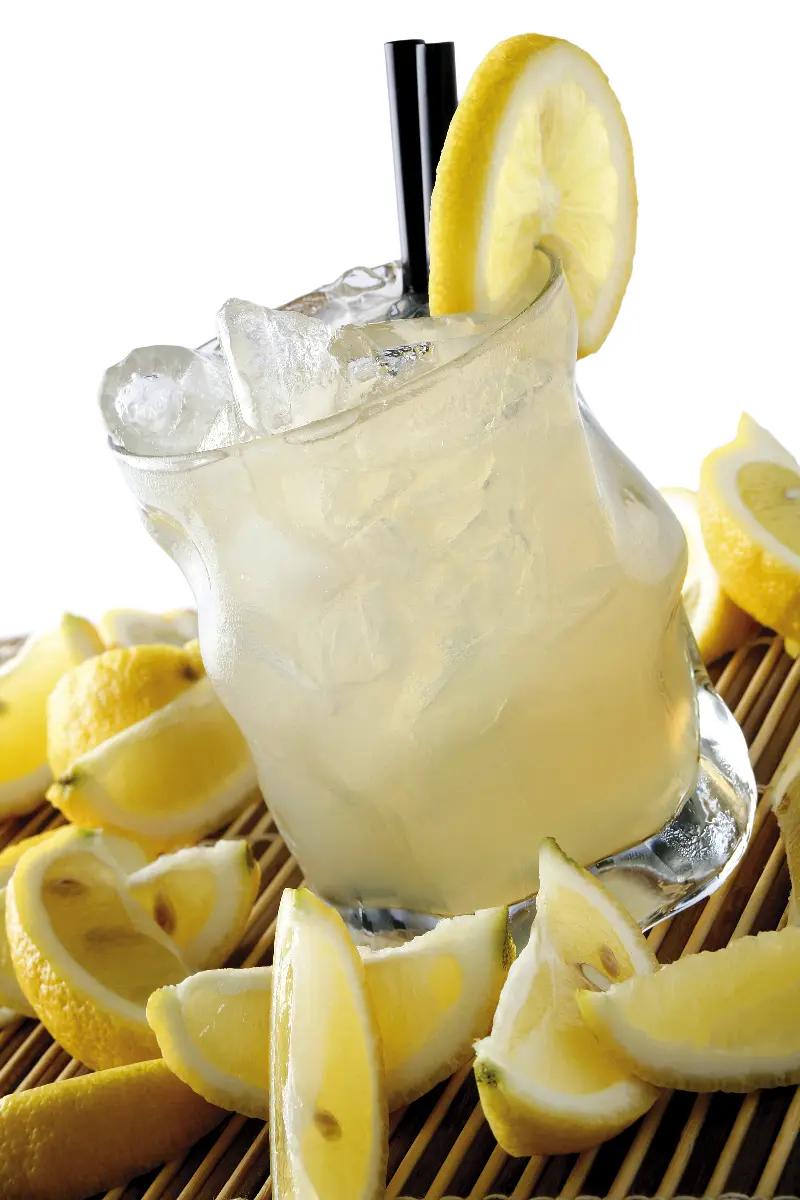
The Lynchburg Lemonade takes Tennessee whiskey and places it in a brighter, more casual frame than an Old Fashioned or whiskey sour. Orange liqueur rounds the spirit, lemon juice sharpens the center, and lemon-lime soda adds lift and approachability.
The result is a drink that feels familiar even to people who do not usually order whiskey cocktails. It is structured enough to read as a cocktail, but relaxed enough to function like a party highball.
The drink is widely associated with late-20th-century American bar culture and with the branding orbit around Lynchburg, Tennessee. One well-known account credits Alabama restaurateur Tony Mason with creating it in the 1980s, though the drink's broader spread and exact early history are often summarized differently depending on the source. Conservative phrasing is appropriate here: the Lynchburg Lemonade is clearly a modern Southern-leaning whiskey highball, even if every detail of its origin story is not universally recounted the same way.
Its appeal comes from contrast. Tennessee whiskey brings mellow oak, sweetness, and a charcoal-smoothed profile. Orange liqueur broadens the citrus note beyond straight lemon, while soda changes the texture from tight and sour to sparkling and social.
That last point matters. The drink is not meant to be brooding or spirit-heavy. It is meant to move easily, stay cold, and feel bright from first sip to last.
Part of the Lynchburg Lemonade's longevity comes from the way it softens whiskey's edges without erasing its identity. Unlike drinks that bury the base entirely, this one keeps the whiskey present, just lighter and more energetic.
That makes it especially effective for casual settings: outdoor parties, music venues, game-day tables, and high-volume bar service where a drink needs to be both recognizable and immediately enjoyable.
The Lynchburg Lemonade endures because it understands its purpose. It is not trying to be a rarefied classic. It is trying to be bright, cold, whiskey-based, and easy to like. On those terms, it has earned its place.
Best in warm weather and lively social settings, especially when a whiskey drink should feel sparkling rather than stern. 🍋🫧
Nutritional and allergen information are estimates and for educational purposes only. Ingredient formulations change frequently across different commercial brands. A generic ingredient name (e.g., "coffee liqueur") may contain hidden allergens, dairy, or animal products depending on the specific brand you purchase.
Always review the manufacturer packaging and actual ingredients you use before consuming, especially if you have severe food allergies or dietary restrictions. Use this website at your own risk.
Discover other related cocktails you might also enjoy, with similar ingredients, style, or spirit.

Base: American Blended Whiskey
5.0 average rating
Base: Tennessee Whiskey
5.0 average rating
Base: Bourbon
5.0 average rating
Base: Japanese Whiskey
5.0 average rating
Base: Vodka, Gin
5.0 average rating
Base: Vodka
5.0 average ratingExplore the curated collections this cocktail belongs to, grouped by spirit, season, holiday, and occasion.
Discover refreshing summer cocktails for hot days, outdoor parties, and easy weekend sipping.
Explore Memorial Day cocktails for cookouts, long weekends, and the start of summer entertaining.
Discover 4th of July cocktails for cookouts, fireworks parties, frozen drinks, and summer hosting.
Find Labor Day cocktails for long-weekend gatherings, late-summer patios, and easy party drinks.
Browse whiskey cocktails with bourbon, rye, and other styles ranging from strong classics to smoother mixed drinks.
Discover other related cocktails you might also enjoy, with similar ingredients, style, or spirit.
Base: American Blended Whiskey
5.0 average ratingBase: Tennessee Whiskey
5.0 average ratingBase: Bourbon
5.0 average ratingBase: Japanese Whiskey
5.0 average ratingBase: Vodka, Gin
5.0 average ratingBase: Vodka
5.0 average ratingExplore the curated collections this cocktail belongs to, grouped by spirit, season, holiday, and occasion.
Discover refreshing summer cocktails for hot days, outdoor parties, and easy weekend sipping.
Explore Memorial Day cocktails for cookouts, long weekends, and the start of summer entertaining.
Discover 4th of July cocktails for cookouts, fireworks parties, frozen drinks, and summer hosting.
Find Labor Day cocktails for long-weekend gatherings, late-summer patios, and easy party drinks.
Browse whiskey cocktails with bourbon, rye, and other styles ranging from strong classics to smoother mixed drinks.