

Cezzi's
© 2026 Cezzis.com | All rights reserved.
© 2026 Cezzis.com | All rights reserved.
A tequila-and-vermouth stirred cocktail with Campari bitterness and a dry finish, often understood as a close relative of the Negroni and other aperitif classics.
Servings
1
The La Rosita lives in a fascinating borderland. It is not exactly a Negroni, not exactly a tequila Manhattan, and not exactly its own isolated invention either. Instead, it sits where tequila, bitter aperitivo, and split vermouth logic overlap.
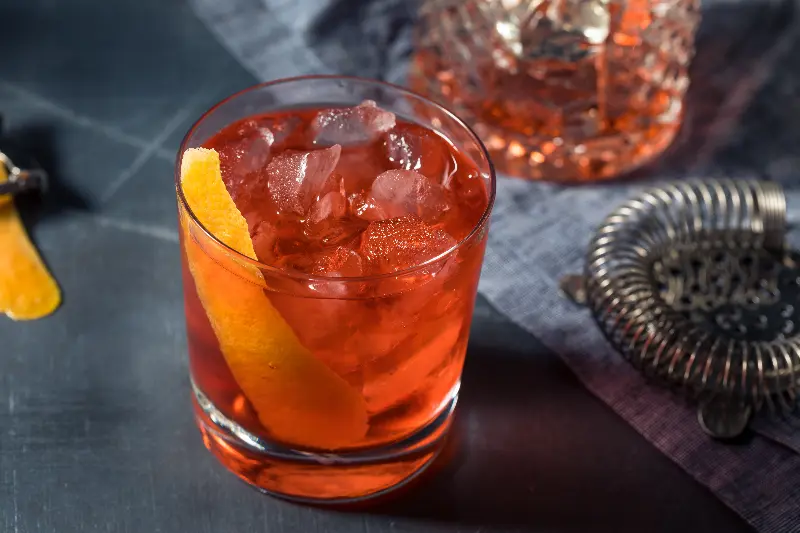
La Rosita is usually discussed as part of the broader lineage of tequila-and-vermouth cocktails that emerged as bartenders and writers explored how agave spirit behaved in classic European templates. Its precise authorship is less settled than that of drinks like the Hanky Panky or Black Russian, but by the late 20th century the drink had clearly entered circulation as a serious stirred tequila cocktail.
That uncertainty does not weaken the drink. If anything, it places La Rosita where many worthwhile cocktails live: between printed record, bar practice, and later revival.
Using both sweet and dry vermouth is the key decision. Sweet vermouth gives roundness and spice, dry vermouth trims the edges, and Campari supplies bitterness with just enough red-fruit character to connect the parts. Reposado tequila holds the center, bringing oak-softened agave notes that feel sturdier than blanco without becoming heavy.
The result is more angular than a Negroni and more bitter than many tequila standards, but it remains balanced.
La Rosita also matters because it shows tequila working naturally in an aperitif context. Instead of citrus-forward brightness or Margarita-family freshness, the drink leans toward stirred, bitter, evening territory.
That makes it especially useful on modern lists. It gives tequila drinkers a way into vermouth-and-amaro structure, and it gives Negroni drinkers a way toward agave.
La Rosita endures because it feels familiar and surprising at the same time. The ingredients make sense quickly, but the final balance is distinct enough to justify its own name.
Best before dinner, particularly for guests who like bittersweet stirred drinks and want tequila in a more austere frame. 🍸🌿
Nutritional and allergen information are estimates and for educational purposes only. Ingredient formulations change frequently across different commercial brands. A generic ingredient name (e.g., "coffee liqueur") may contain hidden allergens, dairy, or animal products depending on the specific brand you purchase.
Always review the manufacturer packaging and actual ingredients you use before consuming, especially if you have severe food allergies or dietary restrictions. Use this website at your own risk.
Discover other related cocktails you might also enjoy, with similar ingredients, style, or spirit.

Base: Mezcal, Reposado Tequila
5.0 average rating
Base: Gin, Sweet Vermouth
5.0 average rating
Base: Reposado Tequila
5.0 average rating
Base: Jamaican Rum, Sweet Vermouth
5.0 average rating
Base: Gin
5.0 average rating
Base: Tequila
5.0 average ratingExplore the curated collections this cocktail belongs to, grouped by spirit, season, holiday, and occasion.

Find cozy fall cocktails with apple, pear, cinnamon, maple, and richer seasonal flavors.

Discover Cinco de Mayo cocktails with tequila, citrus, and lively flavors for a festive party spread.

Explore Day of the Dead cocktails with agave spirits, vivid color, and festive late-autumn energy.

Browse tequila cocktails with bright citrus, agave flavor, and everything from classics to modern favorites.
Discover other related cocktails you might also enjoy, with similar ingredients, style, or spirit.
Base: Mezcal, Reposado Tequila
5.0 average ratingBase: Gin, Sweet Vermouth
5.0 average ratingBase: Reposado Tequila
5.0 average ratingBase: Jamaican Rum, Sweet Vermouth
5.0 average ratingBase: Gin
5.0 average ratingBase: Tequila
5.0 average ratingExplore the curated collections this cocktail belongs to, grouped by spirit, season, holiday, and occasion.
Find cozy fall cocktails with apple, pear, cinnamon, maple, and richer seasonal flavors.
Discover Cinco de Mayo cocktails with tequila, citrus, and lively flavors for a festive party spread.
Explore Day of the Dead cocktails with agave spirits, vivid color, and festive late-autumn energy.
Browse tequila cocktails with bright citrus, agave flavor, and everything from classics to modern favorites.