

Cezzi's
© 2026 Cezzis.com | All rights reserved.
© 2026 Cezzis.com | All rights reserved.
A classic stirred brandy drink made with cognac, orgeat, and bitters, finished with expressed lemon peel.
Servings
1
The Japanese Cocktail is a classic example of how cocktail names can mislead. Despite its title, the drink is generally treated as an American barroom creation of the 19th century rather than a drink that originated in Japan. Its importance lies less in geography than in what it represents: a refined early cocktail built from brandy, bitters, and a touch of almond richness.
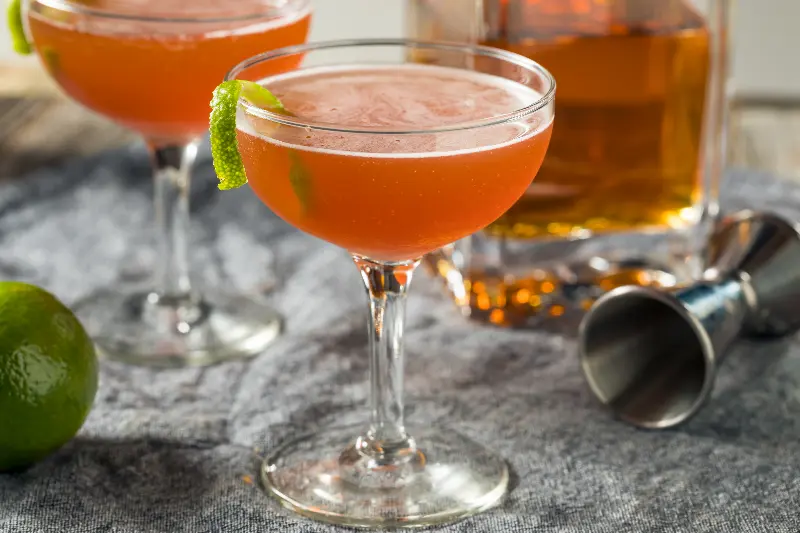
The drink is commonly associated with Jerry Thomas and the mid-19th-century American bar tradition. One widely repeated explanation connects the name to diplomatic relations and the arrival of Japanese representatives in the United States during that period. Whether every detail of that story can be pinned down cleanly is less certain, but the drink's historical placement in early American cocktail books is well established.
That is part of its appeal. The Japanese Cocktail belongs to the era when bartenders were building a language for mixed drinks that still shapes how classics are understood now.
Structurally, the drink resembles old brandy-and-bitters formulas, but orgeat changes the tone. Instead of straightforward sugar, it brings almond aroma and a softer texture. Lemon oil brightens the finish and keeps the drink from becoming heavy.
The result is elegant rather than lush. It is a compact drink, but it feels layered.
The Japanese Cocktail survives because it shows how much nuance an early cocktail could produce with very few ingredients. It also corrects a common misconception about classics: many older drinks were not crude or simple-minded. Some were already quite precise in their use of sweetness, aromatics, and texture.
Best for quiet cocktail hours when a short, polished brandy drink sounds better than anything loud or overly sweet. 🍸🌸
Nutritional and allergen information are estimates and for educational purposes only. Ingredient formulations change frequently across different commercial brands. A generic ingredient name (e.g., "coffee liqueur") may contain hidden allergens, dairy, or animal products depending on the specific brand you purchase.
Always review the manufacturer packaging and actual ingredients you use before consuming, especially if you have severe food allergies or dietary restrictions. Use this website at your own risk.
Discover other related cocktails you might also enjoy, with similar ingredients, style, or spirit.

Base: Cognac
5.0 average rating
Base: Rye, Cognac
5.0 average rating
Base: Rye, Sweet Vermouth
5.0 average rating
Base: Jamaican Rum, Cognac
4.0 average rating
Base: Apple Brandy
5.0 average rating
Base: Bourbon, Absinthe
5.0 average ratingExplore the curated collections this cocktail belongs to, grouped by spirit, season, holiday, and occasion.

Find cozy fall cocktails with apple, pear, cinnamon, maple, and richer seasonal flavors.

Explore winter cocktails with rich flavors, warming spices, and festive cold-weather appeal.

Find simple cocktails with minimal ingredients, quick prep, and easy at-home mixing.

Explore classic cocktails like old fashioneds, sours, martinis, and other timeless favorites.

Find after-dinner cocktails with rich flavors, dessert-friendly profiles, and digestif-style appeal.
Discover other related cocktails you might also enjoy, with similar ingredients, style, or spirit.
Base: Cognac
5.0 average ratingBase: Rye, Cognac
5.0 average ratingBase: Rye, Sweet Vermouth
5.0 average ratingBase: Jamaican Rum, Cognac
4.0 average ratingBase: Apple Brandy
5.0 average ratingBase: Bourbon, Absinthe
5.0 average ratingExplore the curated collections this cocktail belongs to, grouped by spirit, season, holiday, and occasion.
Find cozy fall cocktails with apple, pear, cinnamon, maple, and richer seasonal flavors.
Explore winter cocktails with rich flavors, warming spices, and festive cold-weather appeal.
Find simple cocktails with minimal ingredients, quick prep, and easy at-home mixing.
Explore classic cocktails like old fashioneds, sours, martinis, and other timeless favorites.
Find after-dinner cocktails with rich flavors, dessert-friendly profiles, and digestif-style appeal.