

Cezzi's
© 2026 Cezzis.com | All rights reserved.
© 2026 Cezzis.com | All rights reserved.
A warming whiskey drink built with hot water, honey, and lemon, more enduring template than fixed formula and a long-standing cold-weather standby.
Servings
1
The Hot Toddy is less a single recipe than a durable idea: spirit, sweetness, hot water, and citrus brought together for warmth and ease. That flexibility is part of the drink's history and part of its appeal.
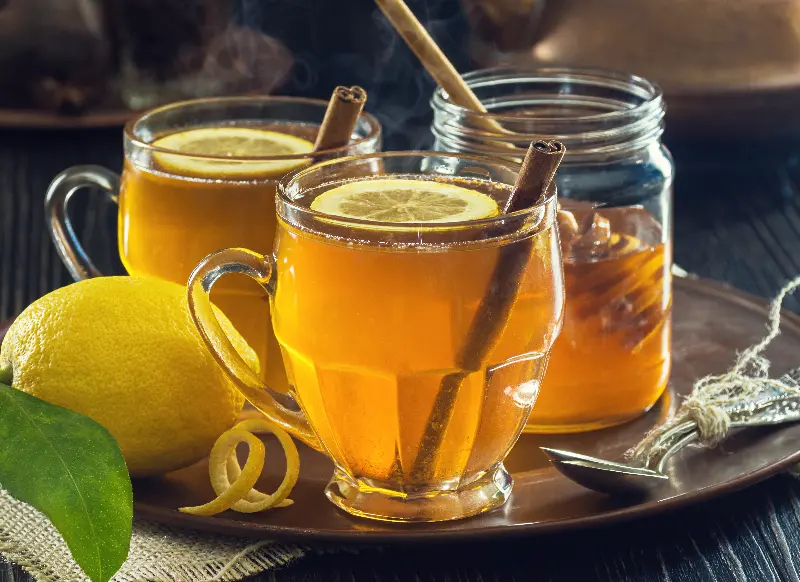
Unlike many named classics, the Hot Toddy does not depend on one inventor or one definitive ratio. The word "toddy" has older roots than the modern whiskey-and-lemon version most drinkers know, and the drink belongs to a long tradition of warmed alcoholic mixtures that predate the codified cocktail era.
That makes the Hot Toddy unusual in a modern bar context. It survives not because it was standardized early, but because it remained useful.
The drink's logic is simple. Whiskey gives warmth and structure, honey rounds the palate, and lemon keeps the cup from feeling heavy or flat. Hot water is not filler here. It changes aroma, pace, and texture, turning a short drink into something meant to be held and sipped.
That slower rhythm matters. A Hot Toddy is rarely rushed, and its emotional effect is tied to that fact as much as to its ingredients.
Some versions use Scotch, Irish whiskey, or dark spirits; some add cloves, cinnamon, or tea; others stay almost austere. This draft takes a clean, conservative route with whiskey, honey, hot water, and lemon because that core combination is enough to explain the category.
The point is not ornament. The point is warmth with balance.
The Hot Toddy remains a staple because cold-weather drinks do not need to be complicated to feel complete. It is practical, familiar, and deeply tied to season and mood.
Best on cold evenings, after dinner, or whenever the weather argues for a warm glass. ☕🍯
Nutritional and allergen information are estimates and for educational purposes only. Ingredient formulations change frequently across different commercial brands. A generic ingredient name (e.g., "coffee liqueur") may contain hidden allergens, dairy, or animal products depending on the specific brand you purchase.
Always review the manufacturer packaging and actual ingredients you use before consuming, especially if you have severe food allergies or dietary restrictions. Use this website at your own risk.
Discover other related cocktails you might also enjoy, with similar ingredients, style, or spirit.
Explore the curated collections this cocktail belongs to, grouped by spirit, season, holiday, and occasion.

Find cozy fall cocktails with apple, pear, cinnamon, maple, and richer seasonal flavors.

Explore winter cocktails with rich flavors, warming spices, and festive cold-weather appeal.

Find Father's Day cocktails with whiskey-forward classics, bold stirred drinks, and confident summer pours.
Explore Thanksgiving cocktails that pair well with holiday dinners and warm fall flavors.

Find Christmas cocktails for holiday parties, family dinners, and festive seasonal sipping.
Discover bourbon cocktails from strong classics to smooth whiskey drinks with rich, oaky flavor.

Browse whiskey cocktails with bourbon, rye, and other styles ranging from strong classics to smoother mixed drinks.

Explore classic cocktails like old fashioneds, sours, martinis, and other timeless favorites.

Find after-dinner cocktails with rich flavors, dessert-friendly profiles, and digestif-style appeal.
Discover other related cocktails you might also enjoy, with similar ingredients, style, or spirit.
Explore the curated collections this cocktail belongs to, grouped by spirit, season, holiday, and occasion.
Find cozy fall cocktails with apple, pear, cinnamon, maple, and richer seasonal flavors.
Explore winter cocktails with rich flavors, warming spices, and festive cold-weather appeal.
Find Father's Day cocktails with whiskey-forward classics, bold stirred drinks, and confident summer pours.
Explore Thanksgiving cocktails that pair well with holiday dinners and warm fall flavors.
Find Christmas cocktails for holiday parties, family dinners, and festive seasonal sipping.
Discover bourbon cocktails from strong classics to smooth whiskey drinks with rich, oaky flavor.
Browse whiskey cocktails with bourbon, rye, and other styles ranging from strong classics to smoother mixed drinks.
Explore classic cocktails like old fashioneds, sours, martinis, and other timeless favorites.
Find after-dinner cocktails with rich flavors, dessert-friendly profiles, and digestif-style appeal.


