

Cezzi's
© 2026 Cezzis.com | All rights reserved.
© 2026 Cezzis.com | All rights reserved.
A grapefruit-forward vodka drink with a dry, bracing profile and very little between the spirit and the juice.
Servings
1
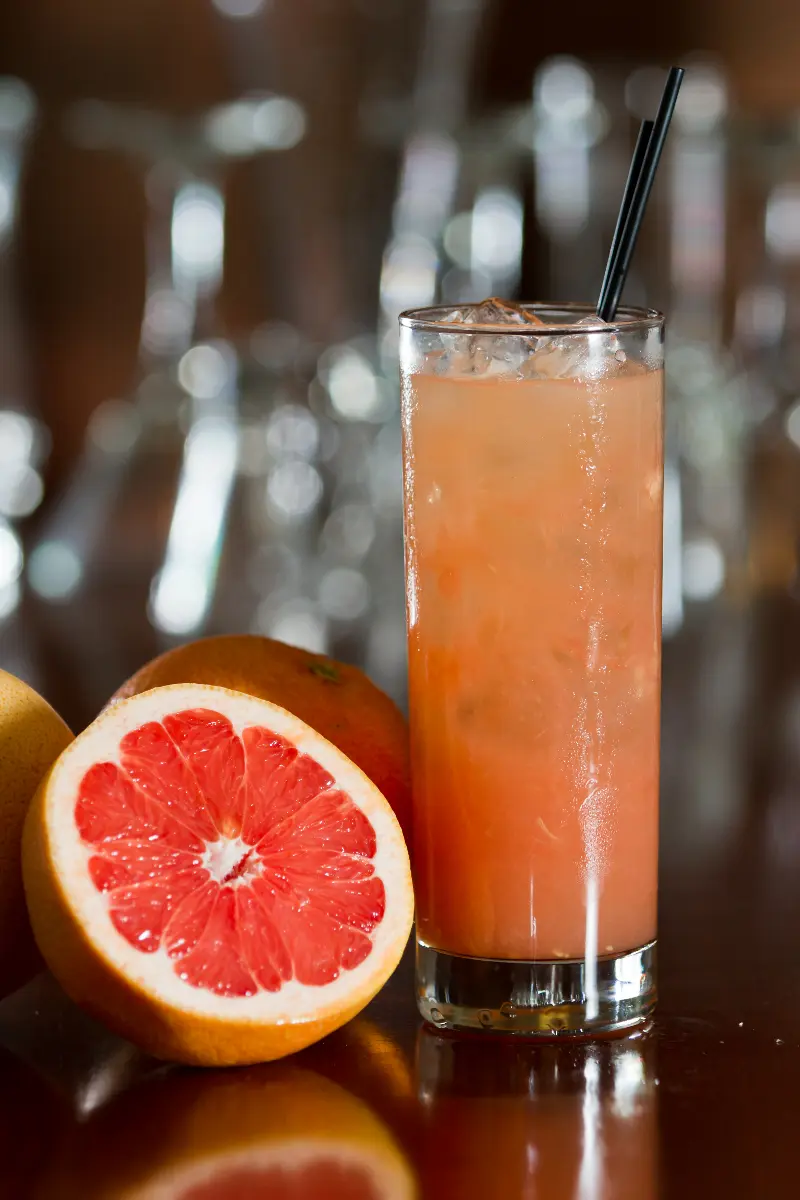
The Greyhound is a stripped-down citrus highball that shows how little a cocktail needs when the core pairing is strong enough. Vodka offers neutrality and lift, while grapefruit juice supplies nearly everything else: acidity, bitterness, aroma, and a soft natural sweetness.
That economy is the point. The Greyhound is not trying to hide behind modifiers or garnish-heavy presentation. It succeeds through clarity.
The exact naming history of the Greyhound is not perfectly settled, but the drink is widely connected to mid-century American drinking culture and to an era when grapefruit juice was becoming a more visible mixer in mainstream hospitality. One commonly repeated account links the name to Greyhound bus terminal restaurant service, though the drink's full path into popularity is harder to pin down with certainty.
What is clearer is the drink's place in a family of very simple juice-and-spirit combinations that became staples of everyday bar service.
Grapefruit behaves differently from lemon or lime. It brings less immediate sharpness, but more bitterness and aromatic depth. That makes the Greyhound broader and calmer than many sour-style drinks, with a dry finish that lingers a little longer on the palate.
This also explains why the Greyhound invites variation. Some drinkers prefer gin for added botanical character, while others keep to vodka for a cleaner, quieter version. The vodka build remains one of the most familiar expressions, especially in common American bar culture.
The Greyhound remains useful because it delivers refreshment without heaviness and flavor without complication. It works at brunch, on a patio, or as a casual first drink because it feels crisp rather than demanding.
Its relative, the Salty Dog, adds a salted rim and shifts the experience in a more savory direction. The Greyhound, by contrast, stays lean and direct.
The Greyhound is a cocktail of understatement. It does not ask for much attention, but it rewards good ingredients and sound proportion. Clean spirit, vivid grapefruit, cold glass, plenty of ice: that is enough.
Best in spring and summer, especially when a dry, citrus-forward highball is more appealing than a sweeter mixed drink. 🍊🧊
Nutritional and allergen information are estimates and for educational purposes only. Ingredient formulations change frequently across different commercial brands. A generic ingredient name (e.g., "coffee liqueur") may contain hidden allergens, dairy, or animal products depending on the specific brand you purchase.
Always review the manufacturer packaging and actual ingredients you use before consuming, especially if you have severe food allergies or dietary restrictions. Use this website at your own risk.
Discover other related cocktails you might also enjoy, with similar ingredients, style, or spirit.
Explore the curated collections this cocktail belongs to, grouped by spirit, season, holiday, and occasion.

Browse light spring cocktails with citrus, herbs, floral notes, and fresh seasonal flavors.
Discover refreshing summer cocktails for hot days, outdoor parties, and easy weekend sipping.

Browse Easter cocktails with spring flavors, lighter styles, and brunch-friendly appeal.

Browse Mother's Day cocktails with brunch-friendly pours, floral notes, and polished celebratory drinks.
Explore Memorial Day cocktails for cookouts, long weekends, and the start of summer entertaining.

Find Labor Day cocktails for long-weekend gatherings, late-summer patios, and easy party drinks.

Explore vodka cocktails that are clean, crisp, easy to mix, and highly versatile.
Discover other related cocktails you might also enjoy, with similar ingredients, style, or spirit.
Explore the curated collections this cocktail belongs to, grouped by spirit, season, holiday, and occasion.
Browse light spring cocktails with citrus, herbs, floral notes, and fresh seasonal flavors.
Discover refreshing summer cocktails for hot days, outdoor parties, and easy weekend sipping.
Browse Easter cocktails with spring flavors, lighter styles, and brunch-friendly appeal.
Browse Mother's Day cocktails with brunch-friendly pours, floral notes, and polished celebratory drinks.
Explore Memorial Day cocktails for cookouts, long weekends, and the start of summer entertaining.
Find Labor Day cocktails for long-weekend gatherings, late-summer patios, and easy party drinks.
Explore vodka cocktails that are clean, crisp, easy to mix, and highly versatile.


