

Cezzi's
© 2026 Cezzis.com | All rights reserved.
© 2026 Cezzis.com | All rights reserved.
Famous throughout Argentina, the Fernandito blends bitter Italian Fernet with chilled cola over ice for a refreshing, bubbly cocktail perfect for social gatherings and nightlife.
Servings
1
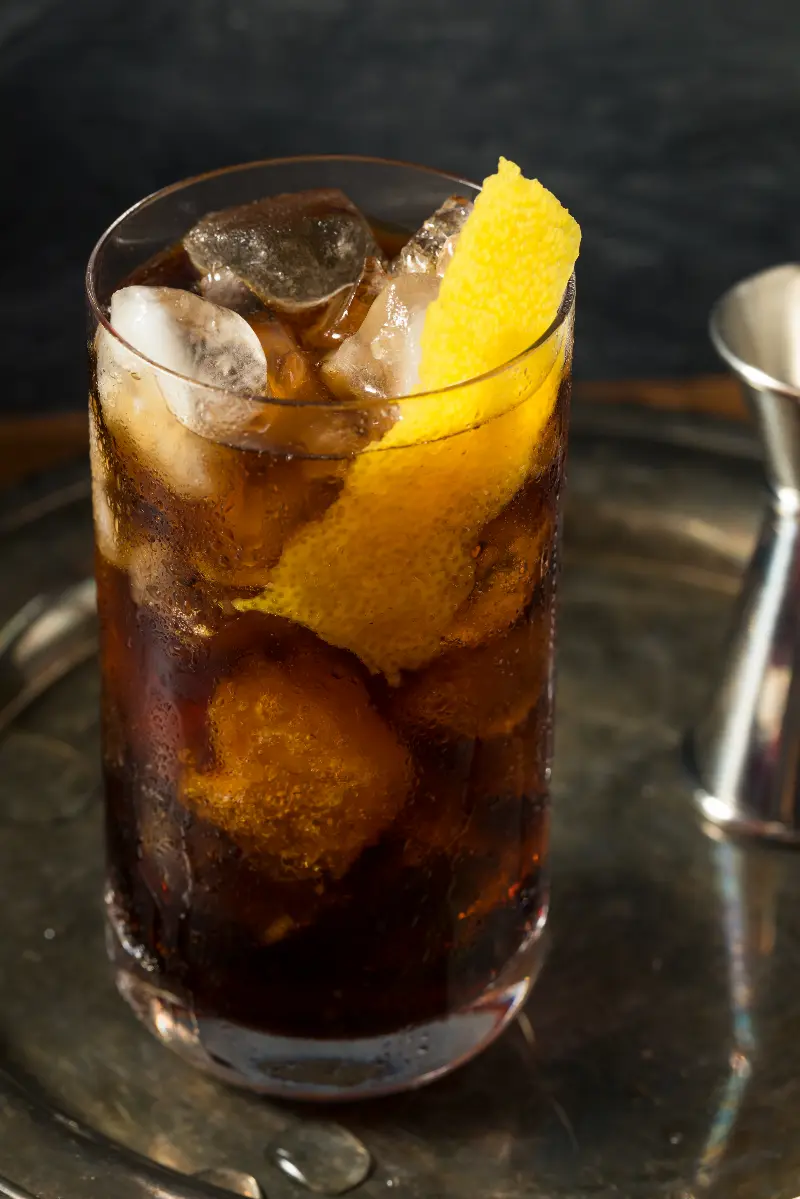
The Fernandito is one of Argentina’s most beloved modern cocktails, celebrated for its effortless combination of bitter herbal liqueur and cola. Built from just two primary ingredients—typically Fernet-Branca and Coca-Cola—it has become a cultural institution throughout Argentina, especially among younger generations and nightlife communities. Despite its simplicity, the Fernandito carries deep social and regional significance, representing everything from late-night gatherings to national identity.
Although Fernet originated in Italy during the 19th century as a medicinal herbal spirit, Argentina eventually became the world’s largest consumer of the bitter liqueur. Massive waves of Italian immigration brought Fernet traditions to South America, where the spirit evolved from a digestive aid into a staple of Argentine drinking culture. Over time, locals began softening Fernet’s intense bitterness with cola, creating the approachable and highly refreshing highball now known as the Fernandito.
While the drink is enjoyed across Argentina, the city and province of Córdoba are widely regarded as the spiritual home of the Fernandito. Córdoba’s energetic student population and vibrant nightlife helped popularize the drink during the late 20th century, transforming it into a symbol of parties, concerts, and social gatherings. The cocktail’s affordability, ease of preparation, and distinctive flavor made it especially popular among university students and young adults.
At first glance, Fernet’s intensely herbal bitterness may seem incompatible with sweet cola, yet the combination creates a remarkably balanced flavor profile. The cola softens the medicinal sharpness while amplifying the liqueur’s notes of mint, saffron, myrrh, chamomile, and spice. Served over plenty of ice, the Fernandito becomes crisp, effervescent, and refreshing, with a lingering bittersweet finish that distinguishes it from more conventional rum-and-cola style drinks.
The Fernandito is deeply tied to Argentine social culture. It is commonly prepared in large shared servings at gatherings known as previas—pre-party meetups where friends socialize before concerts, clubs, or celebrations. In many ways, the cocktail functions less as a formal mixology creation and more as a communal ritual. Ratios are often debated passionately, with some preferring a stronger herbal bite while others lean toward a sweeter, lighter pour.
Few cocktails are as closely associated with a single country in the modern era as the Fernandito is with Argentina. Ordering one abroad often becomes an immediate cultural signal among Argentines, similar to how certain regional foods or sports chants create instant familiarity. Its popularity has also inspired musical references, branded merchandise, and countless local variations, cementing the drink as both a beverage and a national symbol.
Though the classic version remains dominant, bartenders have developed contemporary interpretations that introduce citrus, craft cola, smoked ingredients, or alternative amari. Some versions incorporate soda water to lighten the sweetness, while others experiment with barrel-aged cola syrups or artisanal bitters. Despite these innovations, purists generally insist that true Fernandito simplicity is part of the drink’s identity: Fernet, cola, ice, and little else.
The Fernandito endures because it succeeds on multiple levels at once—it is refreshing yet bitter, simple yet culturally rich, inexpensive yet iconic. More than just a two-ingredient cocktail, it reflects Argentina’s immigrant history, nightlife traditions, and appreciation for bold flavors. Whether enjoyed at a crowded gathering in Córdoba or poured casually at home, the Fernandito remains a defining expression of contemporary Argentine drinking culture.
Best in warm weather, ideal for social gatherings and late-night celebrations. 🧉🥃🇦🇷
Nutritional and allergen information are estimates and for educational purposes only. Ingredient formulations change frequently across different commercial brands. A generic ingredient name (e.g., "coffee liqueur") may contain hidden allergens, dairy, or animal products depending on the specific brand you purchase.
Always review the manufacturer packaging and actual ingredients you use before consuming, especially if you have severe food allergies or dietary restrictions. Use this website at your own risk.
Discover other related cocktails you might also enjoy, with similar ingredients, style, or spirit.
Explore the curated collections this cocktail belongs to, grouped by spirit, season, holiday, and occasion.

Discover refreshing summer cocktails for hot days, outdoor parties, and easy weekend sipping.

Explore Memorial Day cocktails for cookouts, long weekends, and the start of summer entertaining.

Discover 4th of July cocktails for cookouts, fireworks parties, frozen drinks, and summer hosting.

Find Labor Day cocktails for long-weekend gatherings, late-summer patios, and easy party drinks.

Find simple cocktails with minimal ingredients, quick prep, and easy at-home mixing.
Discover other related cocktails you might also enjoy, with similar ingredients, style, or spirit.
Explore the curated collections this cocktail belongs to, grouped by spirit, season, holiday, and occasion.
Discover refreshing summer cocktails for hot days, outdoor parties, and easy weekend sipping.
Explore Memorial Day cocktails for cookouts, long weekends, and the start of summer entertaining.
Discover 4th of July cocktails for cookouts, fireworks parties, frozen drinks, and summer hosting.
Find Labor Day cocktails for long-weekend gatherings, late-summer patios, and easy party drinks.
Find simple cocktails with minimal ingredients, quick prep, and easy at-home mixing.


