

Cezzi's
© 2026 Cezzis.com | All rights reserved.
© 2026 Cezzis.com | All rights reserved.
A savory Martini variation built with gin, dry vermouth, and olive brine, then finished with cocktail olives.
Servings
1
The Dirty Martini takes one of the cocktail world's most austere templates and gives it a savory tilt. By adding olive brine to the familiar martini structure, it shifts the drink from purely crisp and botanical into something rounder, saltier, and more overtly appetizing.
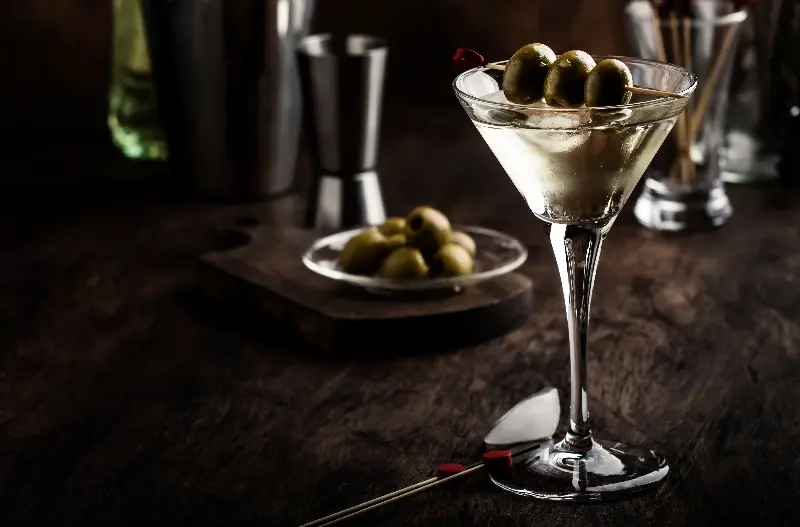
The exact moment the Dirty Martini entered bar culture is hard to pin down, but it is generally understood as a 20th-century variation on the Dry Martini rather than a separate older classic. As drinkers began asking for drier, colder, and more personalized Martini orders, olive brine became one of the clearest ways to alter the drink's personality.
That change may sound small, but it is decisive. A standard Martini emphasizes spirit, vermouth, and aromatic sharpness. A Dirty Martini leans into salinity and appetite.
Olive brine does more than contribute salt. It changes texture, softens the edges of the gin, and adds a faintly savory aroma that can make the cocktail feel fuller and more food-friendly.
That is also why balance matters so much. A lightly dirty Martini still reads as a Martini first. An over-dirtied version can lose precision and become murky in both flavor and appearance. The best examples keep the brine visible but controlled.
Many bars will make a Dirty Martini with either gin or vodka. This version stays with gin because that keeps the clearest link to the classic Martini lineage, while still letting the olives define the finish.
Its enduring appeal is easy to understand: it is cold, direct, and unmistakably savory. For drinkers who find a standard Martini too severe and a Gibson too restrained, the Dirty Martini lands in an appealing middle space.
Best before dinner or alongside salty snacks, shellfish, and other briny, savory flavors. 🍸🫒
Nutritional and allergen information are estimates and for educational purposes only. Ingredient formulations change frequently across different commercial brands. A generic ingredient name (e.g., "coffee liqueur") may contain hidden allergens, dairy, or animal products depending on the specific brand you purchase.
Always review the manufacturer packaging and actual ingredients you use before consuming, especially if you have severe food allergies or dietary restrictions. Use this website at your own risk.
Discover other related cocktails you might also enjoy, with similar ingredients, style, or spirit.
Explore the curated collections this cocktail belongs to, grouped by spirit, season, holiday, and occasion.

Browse gin cocktails from crisp classics to botanical drinks with citrus, herbs, and floral notes.

Find simple cocktails with minimal ingredients, quick prep, and easy at-home mixing.

Browse martinis from classic gin builds to vodka versions and modern twists.
Discover other related cocktails you might also enjoy, with similar ingredients, style, or spirit.
Explore the curated collections this cocktail belongs to, grouped by spirit, season, holiday, and occasion.
Browse gin cocktails from crisp classics to botanical drinks with citrus, herbs, and floral notes.
Find simple cocktails with minimal ingredients, quick prep, and easy at-home mixing.
Browse martinis from classic gin builds to vodka versions and modern twists.


