

Cezzi's
© 2026 Cezzis.com | All rights reserved.
© 2026 Cezzis.com | All rights reserved.
A shaken coffee cocktail pairing espresso with Licor 43 for a chilled, aromatic after-dinner serve.
Servings
1
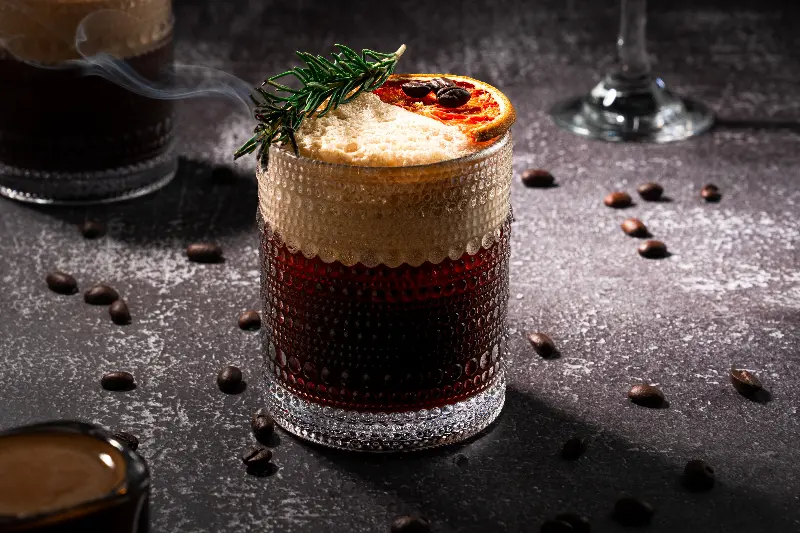
The Carajillo has older roots than its current bar-menu popularity suggests, but the shaken version most drinkers recognize today belongs to a more contemporary style of service. In that form, espresso and Licor 43 are chilled hard together until the drink turns glossy, fragrant, and lightly foamed.
Historically, carajillo refers broadly to coffee mixed with liquor, with versions associated with Spain and later many parts of Latin America. The precise origin story is debated, and the drink exists in multiple local forms, so broad claims are best treated cautiously.
The "shakeado" version now common in Mexico is more specific. It is typically built around Licor 43 and espresso, then shaken with ice to create a colder, more polished presentation than a simple spiked coffee.
Licor 43 brings vanilla, baking spice, and gentle citrus notes. Espresso supplies bitterness, roast, and body. Shaking transforms that combination by chilling it quickly and creating a lighter texture at the top of the drink.
That foam is part of the appeal. It makes the Carajillo feel both energetic and dessert-like without becoming heavy.
The modern Carajillo has grown because it solves two jobs at once: it reads as a cocktail, but it also satisfies the after-dinner pull of coffee service. It can sit comfortably on a restaurant menu, a cocktail list, or a late-night bar program.
Its enduring appeal comes from contrast. It is sweet, but not soft. It is coffee-driven, but not hot. It feels indulgent, yet remains clean enough to invite another sip immediately.
Best after dinner, late in the evening, or anywhere a coffee-forward cocktail fits better than a heavier dessert drink. ☕✨
Nutritional and allergen information are estimates and for educational purposes only. Ingredient formulations change frequently across different commercial brands. A generic ingredient name (e.g., "coffee liqueur") may contain hidden allergens, dairy, or animal products depending on the specific brand you purchase.
Always review the manufacturer packaging and actual ingredients you use before consuming, especially if you have severe food allergies or dietary restrictions. Use this website at your own risk.
Discover other related cocktails you might also enjoy, with similar ingredients, style, or spirit.
Explore the curated collections this cocktail belongs to, grouped by spirit, season, holiday, and occasion.

Find cozy fall cocktails with apple, pear, cinnamon, maple, and richer seasonal flavors.

Explore winter cocktails with rich flavors, warming spices, and festive cold-weather appeal.

Explore Thanksgiving cocktails that pair well with holiday dinners and warm fall flavors.

Find Christmas cocktails for holiday parties, family dinners, and festive seasonal sipping.

Find after-dinner cocktails with rich flavors, dessert-friendly profiles, and digestif-style appeal.
Discover other related cocktails you might also enjoy, with similar ingredients, style, or spirit.
Explore the curated collections this cocktail belongs to, grouped by spirit, season, holiday, and occasion.
Find cozy fall cocktails with apple, pear, cinnamon, maple, and richer seasonal flavors.
Explore winter cocktails with rich flavors, warming spices, and festive cold-weather appeal.
Explore Thanksgiving cocktails that pair well with holiday dinners and warm fall flavors.
Find Christmas cocktails for holiday parties, family dinners, and festive seasonal sipping.
Find after-dinner cocktails with rich flavors, dessert-friendly profiles, and digestif-style appeal.


