

Cezzi's
© 2026 Cezzis.com | All rights reserved.
© 2026 Cezzis.com | All rights reserved.
A vodka-based variation on the Caipirinha made by muddling lime with sugar and building over ice.
Servings
1
The Caipiroska takes the logic of the Caipirinha and swaps in vodka for cachaca. That change makes the drink cleaner and less earthy, but the essential experience remains the same: fresh lime, sugar, crushed citrus oils, and a direct, almost rustic build.
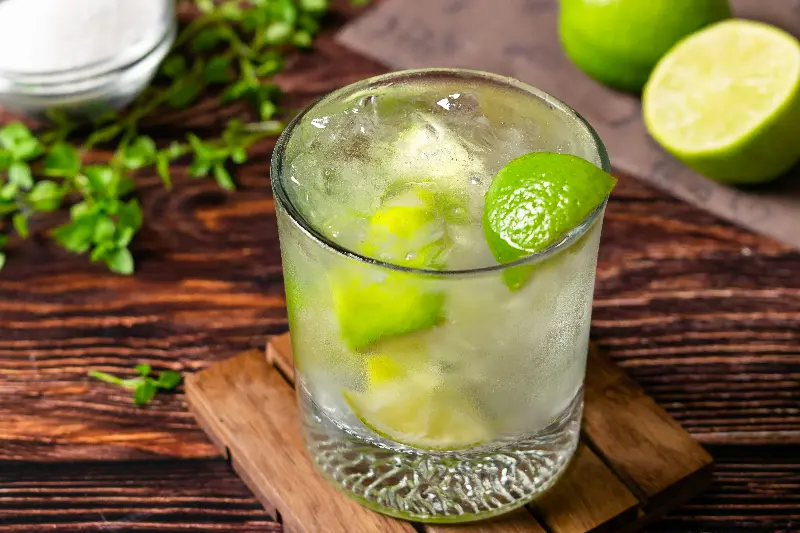
The Caipiroska is generally understood as a later offshoot of the Caipirinha, created as bartenders adapted the Brazilian template to ingredients that were more globally familiar or easier to stock. Replacing cachaca with vodka removes the sugarcane spirit's grassy and funky notes, but it leaves the drink's structure intact.
That helps explain its spread. Vodka became one of the most internationally dominant spirits of the late 20th century, and the Caipiroska offered an easy way to translate a regional classic into a broader bar vocabulary.
What makes the drink appealing is precisely what makes it a little messy. Quartered lime is muddled directly with sugar, so the juice, peel oils, and slight bitterness from the skin all become part of the finished profile. This is not a polished sour in the shaker-and-strain sense. It is more immediate than that.
Vodka gives the lime center stage, while sugar softens the drink just enough to keep it from turning sharp and austere.
The Caipiroska endures because it is easy to understand and difficult to overcomplicate. It is a bar drink, a beach drink, and a home drink all at once. It also serves as a reminder that many lasting cocktails are not inventions from scratch, but translations of older forms into new settings.
Best in warm weather, especially when you want something direct, citrus-heavy, and less elaborate than a conventional sour. 🍋🧊
Nutritional and allergen information are estimates and for educational purposes only. Ingredient formulations change frequently across different commercial brands. A generic ingredient name (e.g., "coffee liqueur") may contain hidden allergens, dairy, or animal products depending on the specific brand you purchase.
Always review the manufacturer packaging and actual ingredients you use before consuming, especially if you have severe food allergies or dietary restrictions. Use this website at your own risk.
Discover other related cocktails you might also enjoy, with similar ingredients, style, or spirit.
Explore the curated collections this cocktail belongs to, grouped by spirit, season, holiday, and occasion.

Browse light spring cocktails with citrus, herbs, floral notes, and fresh seasonal flavors.

Discover refreshing summer cocktails for hot days, outdoor parties, and easy weekend sipping.

Explore vodka cocktails that are clean, crisp, easy to mix, and highly versatile.

Find simple cocktails with minimal ingredients, quick prep, and easy at-home mixing.
Discover other related cocktails you might also enjoy, with similar ingredients, style, or spirit.
Explore the curated collections this cocktail belongs to, grouped by spirit, season, holiday, and occasion.
Browse light spring cocktails with citrus, herbs, floral notes, and fresh seasonal flavors.
Discover refreshing summer cocktails for hot days, outdoor parties, and easy weekend sipping.
Explore vodka cocktails that are clean, crisp, easy to mix, and highly versatile.
Find simple cocktails with minimal ingredients, quick prep, and easy at-home mixing.


