

Cezzi's
© 2026 Cezzis.com | All rights reserved.
© 2026 Cezzis.com | All rights reserved.
A Mai Tai variation that folds amaro into aged rum, lime, orgeat, and orange curacao for a drier bitter edge.
Servings
1
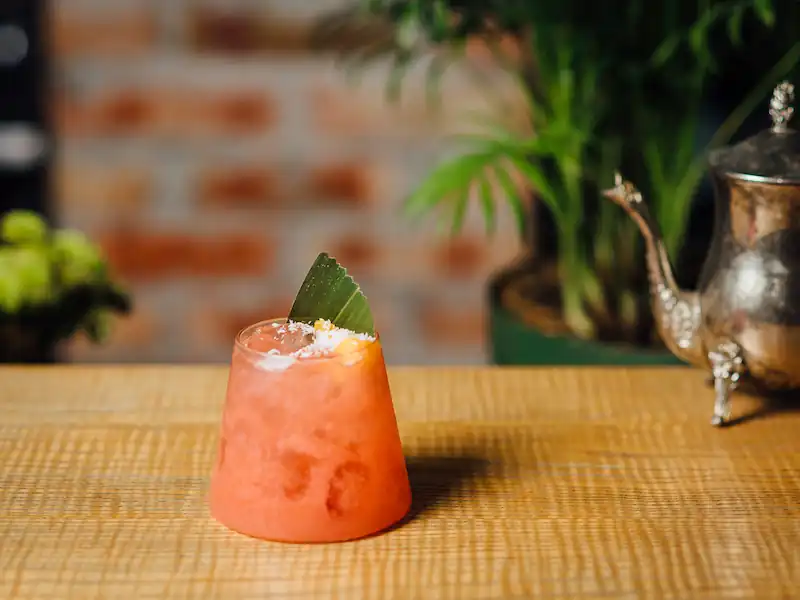
The Bitter Mai Tai represents a fascinating evolution in cocktail culture—a contemporary reimagining of the beloved Tiki classic that embraces the growing appreciation for bitter flavors and sophisticated complexity. This innovative variation transforms the traditionally sweet and fruity Mai Tai into a more nuanced, adult-oriented libation that bridges the gap between tropical escapism and modern craft cocktail sensibilities.
The original Mai Tai, created by Trader Vic in 1944, was a celebration of tropical flavors—rum, lime, orange curaçao, and orgeat creating a symphony of sweetness that transported drinkers to Polynesian paradise. However, as cocktail culture evolved in the early 2000s, bartenders began experimenting with bitter elements, inspired by the resurgence of classic cocktails like the Negroni and the growing popularity of amari.
The Bitter Mai Tai emerged during the craft cocktail renaissance, when bartenders started incorporating bitter liqueurs and amari into unexpected contexts. This variation typically replaces some of the traditional sweet elements with bitter components—often using amaro, bitter orange liqueurs, or even a touch of Campari to add complexity and depth to the familiar Mai Tai structure.
What makes the Bitter Mai Tai particularly compelling is its ability to maintain the tropical essence of the original while adding layers of sophistication. The bitter elements provide a counterpoint to the rum's richness and the citrus's brightness, creating a more balanced and contemplative drinking experience. This approach appeals to both Tiki enthusiasts and craft cocktail aficionados, offering the best of both worlds.
Contemporary bartenders continue to push the boundaries of the Bitter Mai Tai, experimenting with different amari, varying the proportions of bitter to sweet elements, and incorporating additional ingredients like herbal liqueurs or aged spirits. Some versions use specific regional amari to add geographical character, while others focus on creating the perfect balance between tropical fruit notes and bitter complexity.
The key to a successful Bitter Mai Tai lies in achieving harmony between the competing flavor profiles. Too much bitterness can overwhelm the tropical character, while too little fails to distinguish it from the original. The best examples maintain the Mai Tai's essential character while adding just enough bitter complexity to create something entirely new and exciting.
From its roots in Tiki culture to its modern incarnation as a sophisticated craft cocktail, the Bitter Mai Tai represents the dynamic nature of cocktail evolution—honoring tradition while embracing innovation. It's a testament to the endless possibilities that arise when classic recipes meet contemporary creativity.
Best at aperitivo hour, from late afternoon into dinner. 🍹🍊
Nutritional and allergen information are estimates and for educational purposes only. Ingredient formulations change frequently across different commercial brands. A generic ingredient name (e.g., "coffee liqueur") may contain hidden allergens, dairy, or animal products depending on the specific brand you purchase.
Always review the manufacturer packaging and actual ingredients you use before consuming, especially if you have severe food allergies or dietary restrictions. Use this website at your own risk.
Discover other related cocktails you might also enjoy, with similar ingredients, style, or spirit.

Base: White Rhum Agricole, Gold Rum
5.0 average rating
Base: Aged Rum
5.0 average rating
Base: Jamaican Rum, Puerto Rican Rum
5.0 average rating
Base: Aged Rum
5.0 average rating
Base: Demerara Rum, Blackstrap Rum
5.0 average rating
Base: White Rum, Caribbean Blended Rum
5.0 average ratingExplore the curated collections this cocktail belongs to, grouped by spirit, season, holiday, and occasion.
Discover refreshing summer cocktails for hot days, outdoor parties, and easy weekend sipping.

Discover Valentine's Day cocktails with elegant presentation, sparkling pours, and date-night flavors.

Find rum cocktails from tropical favorites to richer spiced and dark rum drinks.

Find tropical cocktails with rum, fruit-forward flavors, frozen drinks, and beachy party favorites.
Browse tiki cocktails with tropical fruit, layered rum, and big-format island-inspired flavor.
Discover other related cocktails you might also enjoy, with similar ingredients, style, or spirit.
Base: White Rhum Agricole, Gold Rum
5.0 average ratingBase: Aged Rum
5.0 average ratingBase: Jamaican Rum, Puerto Rican Rum
5.0 average ratingBase: Aged Rum
5.0 average ratingBase: Demerara Rum, Blackstrap Rum
5.0 average ratingBase: White Rum, Caribbean Blended Rum
5.0 average ratingExplore the curated collections this cocktail belongs to, grouped by spirit, season, holiday, and occasion.
Discover refreshing summer cocktails for hot days, outdoor parties, and easy weekend sipping.
Discover Valentine's Day cocktails with elegant presentation, sparkling pours, and date-night flavors.
Find rum cocktails from tropical favorites to richer spiced and dark rum drinks.
Find tropical cocktails with rum, fruit-forward flavors, frozen drinks, and beachy party favorites.
Browse tiki cocktails with tropical fruit, layered rum, and big-format island-inspired flavor.