

Cezzi's
© 2026 Cezzis.com | All rights reserved.
© 2026 Cezzis.com | All rights reserved.
An equal-parts pre-Prohibition drink of gin, apple brandy, and apricot liqueur with orchard-fruit depth.
Servings
1
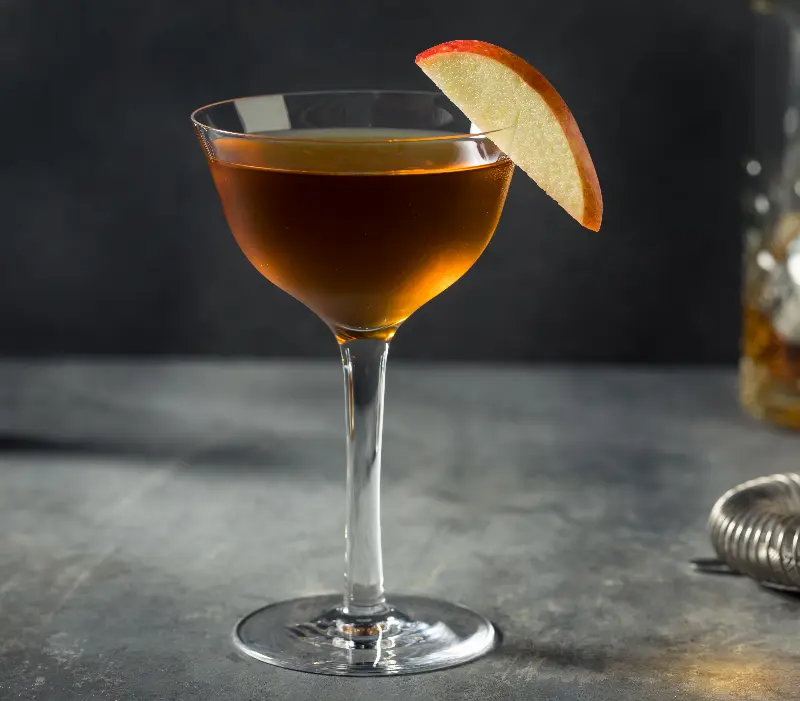
The Angel Face is a cocktail of deceptive simplicity. Its name suggests a gentle, ethereal experience, yet beneath the surface lies a potent combination of spirits that demands respect. It is a classic example of the early 20th-century approach to mixology—a period where the goal was not to mask the alcohol with sugar and juice, but to create a sophisticated harmony between different types of distilled spirits. The result is a drink that is simultaneously sweet, tart, and bracingly strong.
At its heart, the Angel Face is a celebration of the orchard. By blending Gin with Calvados (apple brandy) and Apricot Brandy, the cocktail creates a rich, autumnal flavor profile. The Calvados provides a crisp, earthy depth reminiscent of Normandy’s apple groves, while the Apricot Brandy adds a lush, velvety sweetness and a bright, stone-fruit acidity. Together, these fruit-forward elements transform the drink from a simple cocktail into a liquid tapestry of harvest flavors.
What prevents the Angel Face from becoming overly cloying is the inclusion of Gin. The botanical nature of the gin—typically featuring juniper, coriander, and citrus notes—acts as a structural spine for the drink. It cuts through the richness of the two brandies, providing a sharp, clean finish that cleanses the palate. This interplay between the botanical "bite" of the gin and the fruity "glow" of the brandies is what gives the Angel Face its distinctive character and prevents it from tasting like a liqueur-heavy dessert.
While many cocktails from the pre-Prohibition and early Prohibition eras have faded into obscurity, the Angel Face has maintained a cult following among enthusiasts of "forgotten classics." In the modern craft cocktail renaissance, the drink has seen a resurgence as bartenders move away from overly sweet Tiki drinks and return to the balanced, spirit-forward compositions of the past. Today, the Angel Face is often viewed as a bridge between the dry elegance of a Martini and the fruity complexity of a Sidecar.
Contemporary mixologists often elevate the Angel Face by sourcing artisanal ingredients. Substituting mass-market apricot liqueurs with hand-crafted apricot brandies or using a botanical-forward craft gin can fundamentally change the drink's dimension. Some modern variations introduce a hint of lemon bitters or a rinse of absinthe to add a layer of herbal complexity, further leaning into the drink's historical roots while updating it for a more discerning, modern palate.
To sip an Angel Face is to take a step back into an era of cocktailing where elegance was found in the balance of strengths. It is a drink of contrasts: it is fruity yet potent, vintage yet timeless, and delicate in name but bold in execution. It remains a sophisticated choice for those who appreciate the intersection of botanical precision and orchard richness.
Best in autumn and winter, suited to pre-dinner or late-evening sipping. 🍸🍑🍎
Nutritional and allergen information are estimates and for educational purposes only. Ingredient formulations change frequently across different commercial brands. A generic ingredient name (e.g., "coffee liqueur") may contain hidden allergens, dairy, or animal products depending on the specific brand you purchase.
Always review the manufacturer packaging and actual ingredients you use before consuming, especially if you have severe food allergies or dietary restrictions. Use this website at your own risk.
Discover other related cocktails you might also enjoy, with similar ingredients, style, or spirit.
Explore the curated collections this cocktail belongs to, grouped by spirit, season, holiday, and occasion.

Find cozy fall cocktails with apple, pear, cinnamon, maple, and richer seasonal flavors.

Discover Valentine's Day cocktails with elegant presentation, sparkling pours, and date-night flavors.

Explore Thanksgiving cocktails that pair well with holiday dinners and warm fall flavors.

Browse gin cocktails from crisp classics to botanical drinks with citrus, herbs, and floral notes.

Find simple cocktails with minimal ingredients, quick prep, and easy at-home mixing.

Find after-dinner cocktails with rich flavors, dessert-friendly profiles, and digestif-style appeal.
Discover other related cocktails you might also enjoy, with similar ingredients, style, or spirit.
Explore the curated collections this cocktail belongs to, grouped by spirit, season, holiday, and occasion.
Find cozy fall cocktails with apple, pear, cinnamon, maple, and richer seasonal flavors.
Discover Valentine's Day cocktails with elegant presentation, sparkling pours, and date-night flavors.
Explore Thanksgiving cocktails that pair well with holiday dinners and warm fall flavors.
Browse gin cocktails from crisp classics to botanical drinks with citrus, herbs, and floral notes.
Find simple cocktails with minimal ingredients, quick prep, and easy at-home mixing.
Find after-dinner cocktails with rich flavors, dessert-friendly profiles, and digestif-style appeal.


